Top 10 Electric Ball Valves You Should Know About?
In the realm of modern automation, Electric Ball Valves play an essential role. These valves control the flow of liquids and gases efficiently. Experts like Dr. Jane Smith highlight their importance, stating, "Electric Ball Valves are game changers in process control." This statement embodies their impact on industries worldwide.
Electric Ball Valves offer accuracy and reliability. They are favored in various applications, from irrigation to industrial processes. Their design allows for quick response times. However, not all models guarantee the same performance. The market is saturated with options, making it challenging to find the best fit. Some users struggle with maintenance or compatibility issues.
Choosing the right Electric Ball Valve requires careful consideration. It demands an understanding of the specific needs of your system. Remember, even the best products come with potential drawbacks. Balancing quality, price, and application is crucial. The decision can affect efficiency and safety in operations.
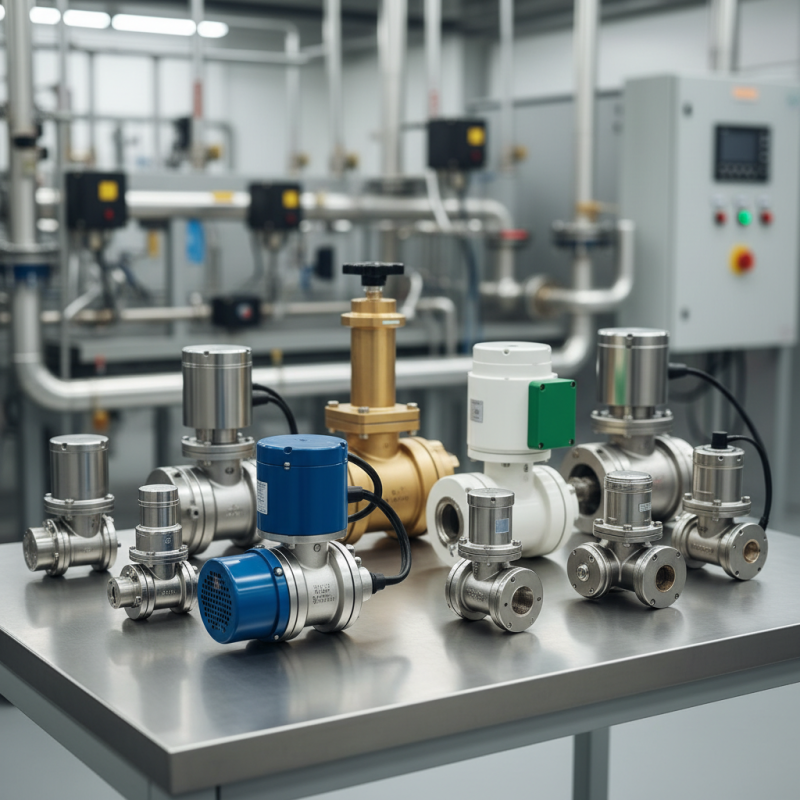
Overview of Electric Ball Valves and Their Applications
Electric ball valves are essential in various industrial applications. They offer precise control over fluid flow. This feature enhances efficiency in systems requiring strict flow regulation. For instance, studies show that electric ball valves can improve energy savings by up to 30%. This makes them attractive for industries looking to cut operational costs.
These valves are widely used in water treatment, oil and gas, and HVAC systems. Their ability to operate under high pressures makes them suitable for many environments. Electric ball valves allow for remote operation. This adds a layer of convenience that manual valves do not provide. However, one must consider the potential for electrical failure or software issues.
Maintenance is critical for these valves. Neglect can lead to failures that disrupt operations. Some reports indicate that around 10% of valve failures are due to poor maintenance practices. Overall, while electric ball valves provide significant advantages, understanding their limitations is essential for successful deployment in industrial settings.
Key Features to Consider When Choosing Electric Ball Valves
When choosing electric ball valves, focus on several key features. The actuator type matters significantly. Electric actuators can be either on/off or modulating. On/off actuators simply open or close the valve. Modulating actuators, however, allow for finer adjustments. This capability is crucial for processes requiring precise flow control.
Consider the valve size and compatibility with your system. A 2018 market report highlighted that improper sizing can lead to pressure drops or inefficiencies. Additionally, ensure the materials used in the valve can withstand the specific conditions of your application. Stainless steel and PVC are common options, yet they differ in terms of durability and chemical resistance.
Power requirements are another critical aspect. Some electric ball valves operate at low voltage, while others require standard line voltage. Evaluating your power supply will prevent potential installations issues. Finally, check the control options available. Many systems integrate with automation solutions. However, not all valves support this feature. Verify compatibility to avoid future integration problems that could disrupt operations.
Top 10 Electric Ball Valves - Key Features Overview
Top 10 Electric Ball Valves: Detailed Reviews and Specifications
Electric ball valves are becoming essential in various industries. These devices offer precision control and quick responsiveness in fluid flow management. Research estimates that the market for electric ball valves is projected to grow at a CAGR of 6.5% from 2023 to 2030. Their design minimizes leakage risks, which is crucial for maintaining operational efficiency.
When choosing an electric ball valve, consider the specifications that matter most. Pay attention to pressure ratings, material compatibility, and voltage requirements. For example, valves made from stainless steel or PVC are suitable for different applications. Make sure to verify that the valve meets your industry standards to avoid costly mishaps.
**Tips:** Always check the compatibility of the valve with your existing systems. A mismatch can lead to performance issues. It's advisable to consult technical datasheets for detailed specifications. Some users overlook installation requirements, leading to inefficiencies. Ensure proper installation to maximize performance and lifespan.
Top 10 Electric Ball Valves You Should Know About
| Model | Size (inches) | Voltage (V) | Flow Rate (GPM) | Max Pressure (PSI) | Material |
| Model A | 1/2 | 24 | 15 | 150 | Brass |
| Model B | 3/4 | 110 | 25 | 200 | Stainless Steel |
| Model C | 1 | 230 | 30 | 250 | PVC |
| Model D | 1-1/4 | 120 | 40 | 150 | Bronze |
| Model E | 1-1/2 | 240 | 50 | 300 | Plastic |
| Model F | 2 | 120 | 60 | 250 | Steel |
| Model G | 2-1/2 | 220 | 70 | 400 | Aluminum |
| Model H | 3 | 120 | 100 | 300 | Copper |
| Model I | 4 | 240 | 120 | 350 | Nickel |
| Model J | 6 | 220 | 150 | 400 | Teflon |
Comparative Analysis of Electric Ball Valves and Traditional Valves
Electric ball valves are increasingly popular in various industries. They offer faster operation and easier automation compared to traditional valves. These advantages stem from the electric actuators that control the valve position with precision. This leads to improved efficiency in processes requiring quick flow control.
One key difference lies in the maintenance. Traditional valves, especially manual ones, require more human interaction. They need regular checking for wear and leaks. Electric ball valves, while more reliable, can also have electronic failures. Regular checks on electrical components are crucial. This duality makes it essential to weigh options carefully before choosing.
**Tips:** Look for electric models that feature built-in diagnostic tools. This aids in preventing unexpected failures. Also, consider the environment where the valve will operate. High humidity or extreme conditions can impact performance. Balancing benefits against potential downsides is vital for long-term success.
Maintenance Tips for Ensuring Longevity of Electric Ball Valves
Electric ball valves are essential in various industrial applications. To ensure their longevity, regular maintenance is critical. Start by performing visual inspections. Check for leaks, corrosion, or uneven wear. Such issues can lead to significant failures and costly repairs. Pay attention to actuator alignment. Misalignment can result in poor valve performance.
Lubrication is another crucial area. Use the manufacturer-recommended lubricant sparingly. Over-lubrication can attract dirt. This dirt can interfere with the valve’s operation. Clean the valve body regularly to prevent buildup. Dust and grime can affect functionality.
Finally, test the electrical components periodically. Loose connections can lead to erratic performance. Replace any faulty wires promptly. Consider scheduling professional checks yearly. This proactive approach can help you identify issues early. Balancing these tasks takes time. Yet, dedication to maintenance will pay off in the long run.